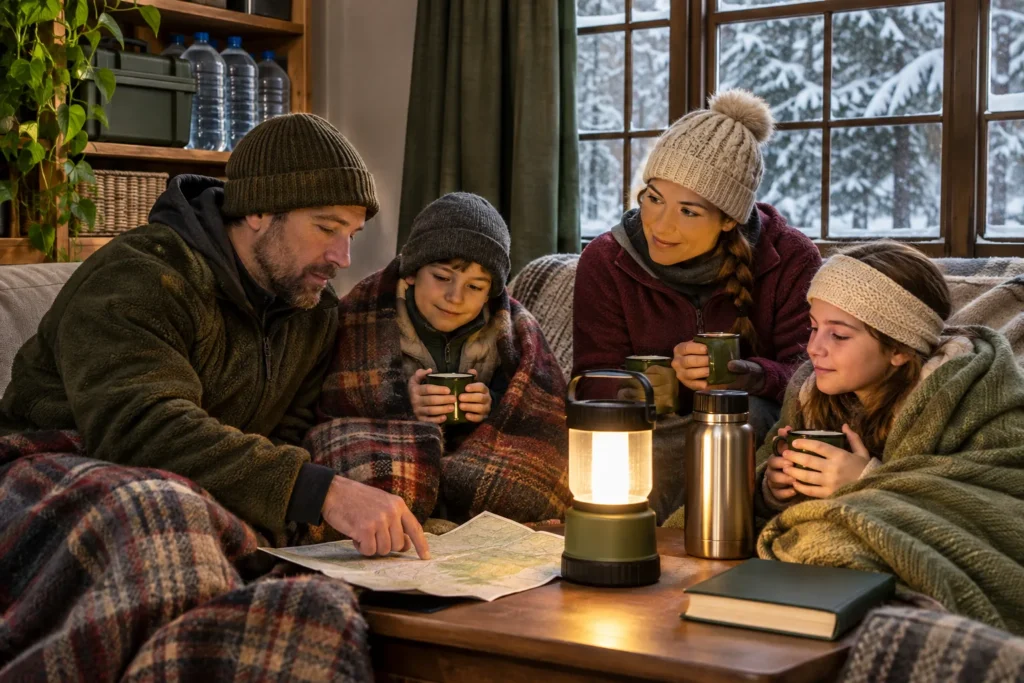
A winter power outage calls for conserving body heat, monitoring vulnerable people, using only safe heat sources, and relocating before the home becomes unsafe.
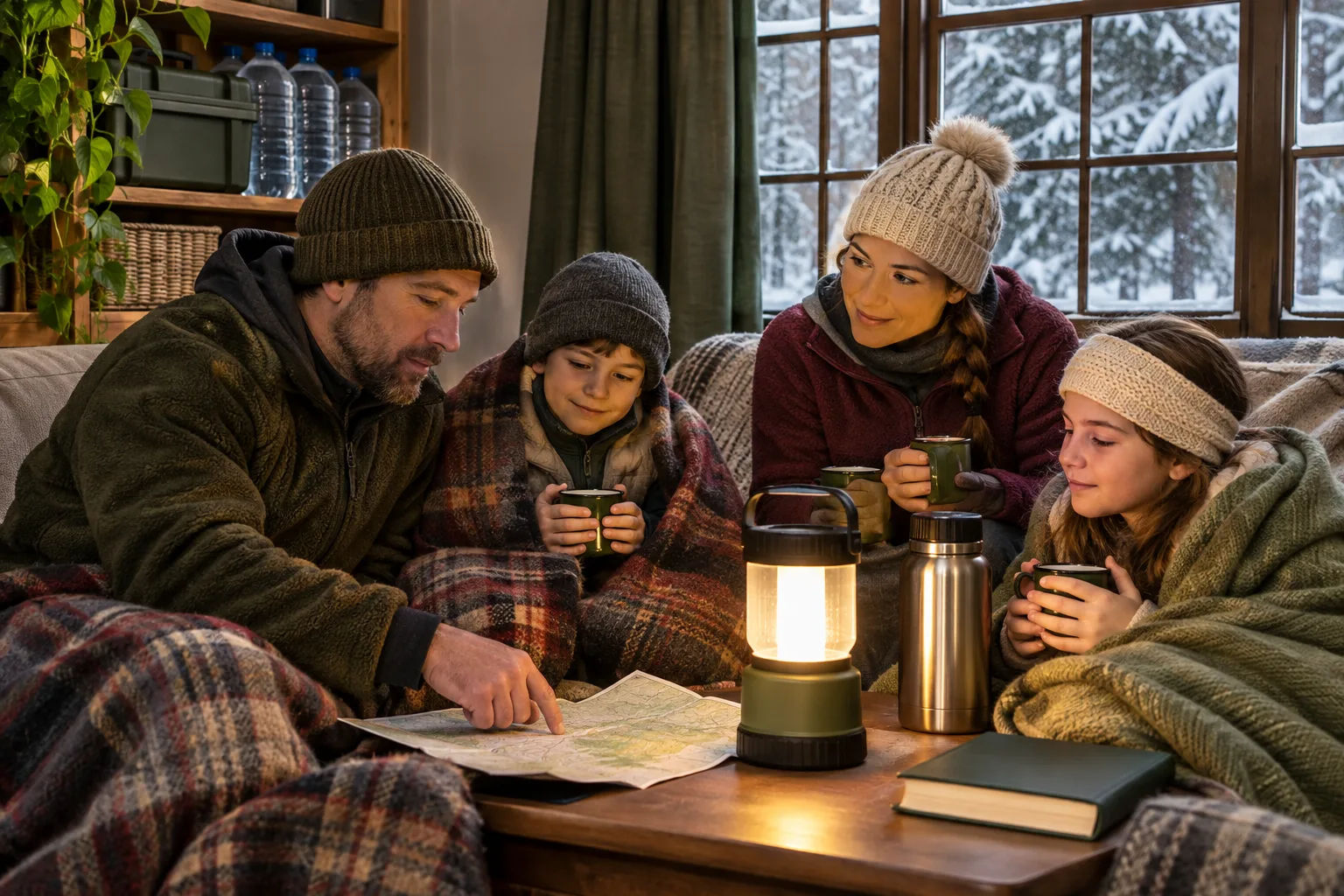
When the power goes out in winter, your first job is not to find a clever way to make more heat. It is to stop losing the heat you already have.
That distinction matters. A house usually cools gradually. If you close off unused space, gather everyone into a smaller living zone, dress in dry layers, and use only safe backup heat, you can often buy useful time. The dangerous turn comes when people get cold enough to improvise: a gas oven left on for warmth, a grill brought into the garage, a camp stove used indoors, or a generator moved too close to the house. Those shortcuts can create carbon-monoxide or fire danger while solving the wrong problem.
Use a simple sequence: contain the heat, insulate the people, heat safely, monitor the situation, and leave early if the house cannot stay safely warm.
Winter power outage: start by shrinking the space you are trying to keep comfortable
Do not spend a limited heat budget on rooms nobody is using. In an outage, every extra room becomes more air and more surface area to keep warm.
Choose one practical room or connected area as your warm zone. A room near the center of the house is often useful because it has less exterior wall area, but the best choice depends on the home. You also need enough room for the people who will be there, safe access to a bathroom, and appropriate ventilation for any approved heating equipment.
Close doors to rooms you do not need. Keep exterior doors shut as much as possible. Close curtains or blinds after dark if they reduce drafts, but keep fabric well away from fireplaces, heaters, candles, or other ignition sources. Rolled towels can help with obvious drafts at the bottom of doors. Rugs can make a cold floor more tolerable.
Do not seal a room so aggressively that you interfere with required ventilation. Heat conservation should never override the operating instructions for a fireplace, wood stove, or other fuel-burning appliance.
Think of the house as a leaky container. You may not be able to stop every leak, but you can close the biggest ones: unused rooms, frequent exterior-door openings, and obvious drafts. That buys time without adding a single new heat source.
Insulate people before you chase room temperature
Clothing and bedding can buy you time, but they do not make a steadily cooling house safe indefinitely. Put on dry layers early, before everyone is chilled, and keep watching both the room temperature trend and how people are actually doing.
Start with dry clothing. Add insulating layers, warm socks, and a hat. Use blankets or sleeping bags while sitting or sleeping. If somebody has been outside shoveling, checking equipment, or clearing snow and comes back damp, change those clothes rather than sitting in them.
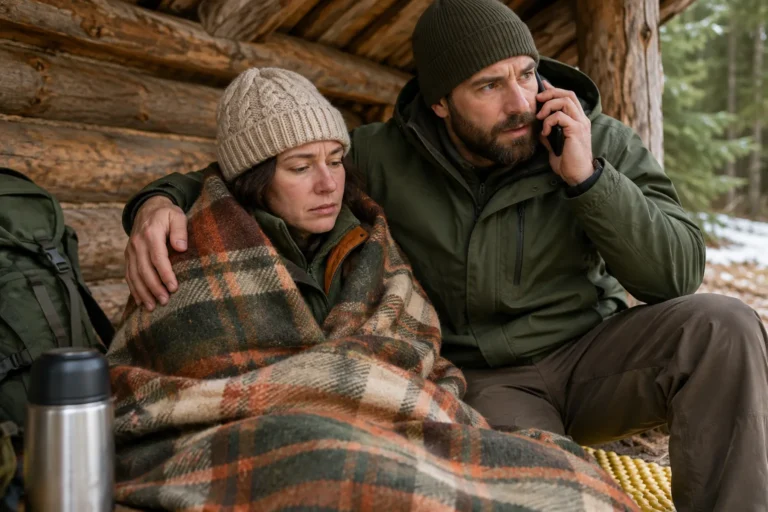
Keep the household together in the warm zone when practical. Body heat will not replace a furnace, but concentrating people and bedding in one smaller space is more sensible than spreading everyone throughout a cooling house.
Children, older adults, and people with medical vulnerabilities deserve extra attention because they may lose heat faster or tolerate cold poorly. Do not wait for them to complain. Check whether they are staying dry and warm, whether they are alert and acting normally, and whether the room is continuing to cool. If a vulnerable person cannot stay comfortably warm with the safe measures available, treat that as a reason to relocate sooner.
Safe backup heat has to stay safe
If you have a permanently installed fireplace, wood stove, vented heater, or other backup system, use it only as designed and keep required clearances around it. Portable equipment should be used only where the manufacturer says it may be used. The site's guide to heating without electricity covers the broader backup-heating problem in more detail.
The rule that prevents many winter-outage mistakes is simple: do not turn cooking equipment or outdoor combustion equipment into an indoor heater.
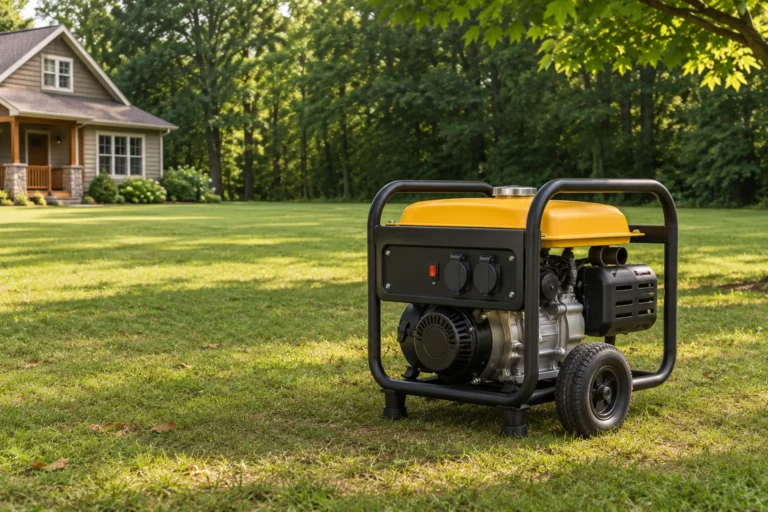
Do not heat the house with a gas range or oven. Do not bring a charcoal or gas grill inside. Do not use a camp stove as a room heater. Never run a generator in the house, basement, or garage, even with the garage door open. CDC guidance says generators should be operated outdoors at least 20 feet from the house and directed so exhaust moves away from doors, windows, and vents. Carbon monoxide is colorless and odorless, so you cannot rely on your senses to tell you when combustion has made the air dangerous.
Keep working carbon-monoxide alarms in service, preferably with battery backup where appropriate. If an alarm sounds, or anyone develops symptoms consistent with carbon-monoxide exposure such as headache, dizziness, weakness, nausea, vomiting, chest pain, or confusion, get into fresh air and seek emergency help.
The useful test is not, “Does this make heat?” It is, “Was this designed to heat an occupied indoor space, and can I use it exactly as intended?” If the answer is no, do not improvise.
Use the CONTAIN — INSULATE — HEAT SAFELY — MONITOR — LEAVE EARLY method
This gives the household a repeatable plan instead of a series of improvised decisions.
CONTAIN: Pick the warm zone. Close unused rooms. Reduce obvious drafts without blocking required ventilation. Limit exterior-door traffic.
INSULATE: Put everyone in dry layers. Add hats, socks, blankets, and sleeping bags before people become deeply chilled.
HEAT SAFELY: Use only properly installed or manufacturer-approved equipment in the manner intended. Keep combustible material away from heat sources. Never improvise indoor heat with cooking appliances or outdoor fuel-burning equipment.
MONITOR: Watch the indoor temperature trend, not just the current number. Check household members. Listen for carbon-monoxide alarms. Follow weather information, outage estimates, and local emergency instructions.
LEAVE EARLY: If the house keeps getting colder and you do not have a safe way to maintain warmth, relocate before the situation becomes urgent.
The last step is the one people tend to postpone. Do not wait until somebody is shivering hard, confused, or too cold to travel comfortably. If the house is losing ground and you have no safe way to reverse it, leaving early is part of the plan—not a failure of the plan.
Watch the trend, not one magic temperature
People often want a single indoor temperature that tells them exactly when to evacuate. Real households are not that simple. Age, health, clothing, bedding, humidity, outage duration, outside temperature, road conditions, and access to safe backup heat all change the decision.
A better rule is to watch direction and capability.
Ask three questions:
- Is the house still getting colder? A falling temperature with no realistic restoration or heating plan matters more than a temporary snapshot.
- Can everyone stay warm with the safe methods available? Pay special attention to infants, older adults, and anyone medically vulnerable to cold.
- Can we still leave safely? Roads, darkness, snow, fuel, and local conditions can deteriorate. Leaving while relocation is straightforward is better than waiting until somebody is in distress.
If the answer pattern is getting worse, act sooner rather than later.
Know what cold stress looks like
Hypothermia can develop when the body loses heat faster than it can produce it. Warning signs can include shivering, exhaustion, confusion, fumbling hands, memory loss, slurred speech, and drowsiness. In infants, very low energy and bright red, cold skin can be warning signs.
If you suspect hypothermia, treat it as a medical emergency. Move the person to a warmer place if possible, remove wet clothing, warm the center of the body with dry blankets or clothing, and get medical help. Do not wait for a person to become unresponsive before taking cold stress seriously.
The practical household lesson is even simpler: relocation should happen before anyone reaches this point.
Have a relocation destination before the outage
A winter outage plan needs two halves: how to stay safely, and how to leave before staying stops making sense.
Know where you can go if the house becomes too cold: a friend or relative with heat, a hotel if that is practical, a community warming center, or an emergency shelter. Keep enough fuel in the vehicle during severe winter weather. Know how you will transport children, older family members, pets, medications, chargers, and essential supplies.
A useful household script is short: “If the house keeps cooling and we cannot heat it safely, we leave while travel is still manageable.”
Make that decision rule before the lights go out. In the middle of a cold, dark outage, a pre-made rule is easier to follow than a fresh argument about whether conditions are “bad enough” yet.
Do not let plumbing trap you in an unsafe house
A long winter outage can threaten pipes as indoor temperatures fall. That matters, but property protection comes after people.
If you know how to shut off your home's water safely, understand its plumbing system, and have time to act before leaving, take reasonable freeze-protection steps. But do not remain in dangerous cold simply because you are worried about a pipe freezing. A plumbing repair is a property problem. Severe cold exposure is a people problem.
Build the warm-room kit before winter
Keep the supplies that matter together enough that you can find them in the dark. A practical kit can include battery lanterns or flashlights, spare batteries, blankets, sleeping bags, warm socks, hats, gloves, layered clothing, a battery-powered or hand-crank radio, power banks, needed medications, and working smoke and carbon-monoxide alarms with appropriate backup power. A 72-hour emergency supplies checklist can help catch gaps outside the heating plan.
If you own a generator, store fuel and equipment according to the manufacturer's instructions and choose its outdoor operating location before the emergency. Measure the distance instead of guessing: plan for at least 20 feet from the house, with exhaust directed away from openings. An outage is a bad time to discover that your extension cord is wrong, your fuel is unavailable, or the spot you intended to use is unsafe.
Candles are a poor primary lighting plan. Battery lanterns and flashlights provide light without adding an open flame to a dark house full of blankets, coats, children, and tired people.
A simple winter-outage decision drill
Before the next storm, take ten minutes and walk through this sequence with the household:
- Pick the room you would use as the warm zone.
- Find the blankets, sleeping bags, lanterns, batteries, and warm clothing you would bring there.
- Identify every backup heat source and confirm how it is supposed to be used.
- Check where your carbon-monoxide alarms are located and whether they work.
- Name two places you could relocate if the house became too cold.
- Decide who would handle children, pets, medications, and transportation.
That short drill exposes missing equipment and fuzzy decisions while the furnace is still running.
Key Takeaways
- Treat a winter power outage as a heat-conservation and safety problem first.
- Concentrate the household in a smaller warm zone instead of trying to keep the whole house comfortable.
- Put on dry layers and use blankets or sleeping bags early.
- Never use a gas range or oven, grill, camp stove, or improperly located generator as a substitute for safe indoor heat.
- Monitor the temperature trend, household condition, carbon-monoxide alarms, weather, and restoration information.
- Plan to leave before the house becomes dangerously cold or travel becomes difficult.
Step-by-Step Actions
- Choose one practical room or area as the household warm zone.
- Close unused rooms and reduce obvious drafts without blocking required ventilation.
- Put everyone in dry layered clothing and bring blankets or sleeping bags into the warm zone.
- Use only properly installed or manufacturer-approved heating equipment as directed.
- Confirm that smoke and carbon-monoxide alarms are operating.
- Track the indoor temperature trend and check vulnerable household members regularly.
- Follow local weather, outage, warming-center, and emergency information.
- Relocate while travel is still manageable if safe heat is unavailable and the home continues to cool.
Checklist
- [ ] Warm zone selected
- [ ] Unused rooms closed
- [ ] Dry layered clothing on everyone
- [ ] Blankets or sleeping bags ready
- [ ] Flashlights or battery lanterns available
- [ ] Safe backup heat identified and instructions understood
- [ ] Smoke alarms working
- [ ] Carbon-monoxide alarms working
- [ ] Generator location safely outdoors and away from openings, if used
- [ ] Vulnerable household members checked regularly
- [ ] Indoor temperature trend monitored
- [ ] Weather and outage information monitored
- [ ] Relocation destination identified
- [ ] Vehicle fuel and transportation plan ready
- [ ] Essential medications, pet supplies, and chargers ready
Put the Plan Into Practice
For the practical safe-heat rules, consult CDC carbon-monoxide guidance. For cold-related symptoms and warming, use CDC hypothermia guidance. Keep an exit destination and a way to request help available throughout the outage.