Urban Survival Preparedness: How to Build a 30-Day Emergency Plan for Blackouts, Food Shortages, and Water Disruptions
Most people living in cities believe in infrastructure the way children believe in gravity. It just works. Water comes out of the tap. Lights come on. Groceries restock overnight. Trucks move. Systems hum along in the background.
Until they don’t.
I’ve noticed something over the years—urban dwellers handle small inconveniences surprisingly well but seem oddly unsettled when systems stall for real. A two-day blackout feels almost novel. A five-day disruption becomes uncomfortable. A two-week interruption starts exposing how little margin most households really have, even if they didn’t think about it that way before.
Thirty days changes the tone.
That’s the window I prepare for. Not because I’m expecting collapse, but because 30 days is long enough for supply chains to strain, for city services to prioritize unevenly, and for people’s behavior to shift a bit. Not dramatically. Just enough to matter.
I don’t prepare for drama. I prepare for silence. The quiet kind of disruption where help is delayed, not absent. Where things just slow down and no one is quite sure how long that will last.
And the foundation of that preparation is simple: water, food, light, security, and some clarity about what actually matters.
Water Is Not Optional. Everything Else Is
Food feels urgent. Water is different. It sits underneath everything.
In a dense city, water systems rely on electricity for pumping, purification, and pressure. A widespread blackout can reduce high-rise buildings to dry pipes within hours. Even ground-level homes aren’t immune if treatment plants lose power or if pressure in the system drops and stays low.
The math is straightforward. A person needs roughly one gallon per day for drinking and minimal hygiene. That’s conservative. Thirty days means thirty gallons per person. More if you want comfort. But comfort isn’t really the goal here.
Most apartments don’t have room for thirty jugs per family member. I understand that. So I think in layers. I tend to think in layers with most things like this.
-
Food-grade water containers stacked in closets or under beds
-
Five- or seven-gallon jugs rotated every six months
-
Bathtub water storage bags for immediate pre-storm filling
Secondary collection:
-
Rain capture from balconies or rooftops (where legal and practical)
-
Nearby natural sources, if accessible
-
Melted ice from freezers during early outage phases
-
Gravity-fed filters
-
Backup chemical treatment tablets
-
A simple metal pot and a heat source for boiling
The reason I emphasize purification redundancy is because urban water disruption often becomes a contamination issue before it becomes a complete absence issue. Pressure drops. Backflow happens. Advisory notices arrive late, or sometimes not at all.
Clean water is stability. When people panic, it’s often dehydration or uncertainty speaking before reason catches up. Or maybe it’s just that they feel out of control.
Store more than you think you need. Then probably a little more than that.
Food Storage Isn’t About Hoarding. It’s About Calm
Food shortages in cities rarely mean starvation. They mean empty shelves, purchase limits, and price spikes. They mean anxiety in grocery aisles and delivery apps crashing. That feeling of “I should have done something earlier.”
I don’t stock exotic survival rations. I stock ordinary food that lasts.
Thirty days is not complicated. It’s arithmetic. It’s a calculator and some shelf space, and a bit of intention.
I build around:
-
Rice
-
Beans
-
Lentils
-
Oats
-
Pasta
-
Canned vegetables
-
Canned fish
-
Canned meats
-
Peanut butter
-
Cooking oil
-
Salt
-
Honey
Why these?
Because they store well. Because they’re calorically dense. Because they combine into real meals without much creativity. Because they don’t depend on refrigeration. Because they’re familiar and people will actually eat them.
A twenty-pound bag of rice holds roughly 30,000 calories. A family of four can stretch that with beans and canned goods into weeks of functional nutrition. Not gourmet. Functional. Enough to keep things steady.
The mistake I see constantly is over-reliance on freezer food. Freezers buy you time, not security. Once the power is out beyond a few days, the clock starts ticking, and you start eating faster than you planned because you don’t want to waste anything.
Dry staples give you control. They really do.
And control matters more than comfort during disruption. Comfort is nice, sure. But control is steadier, and steadiness is what you’re after.
I also keep a simple rotation system. Eat from storage. Replace what I eat. Nothing expires quietly in a corner. Preparedness that decays is just decoration, and decoration doesn’t feed anyone. It just sits there.
Cooking Without Power Is a Small Skill That Changes Everything
Urban kitchens assume electricity or gas lines that rely on electric ignition. During outages, many people discover they have food but no way to cook it. That realization usually hits later than it should.
A small butane camping stove changes that. So does a propane camp stove. Both are compact. Both are affordable. Both can safely operate near an open window with proper ventilation. Used carefully. That part matters.
I don’t overcomplicate it.
One stove.
Several fuel canisters.
A basic cookware set that works off-grid.
If you can boil water and heat rice, you can feed yourself. It’s not elegant. It’s effective enough.
There’s something grounding about cooking during a blackout. It restores rhythm. It signals to your household that the situation is manageable. That you’re still in control of at least one thing.
I once experienced a week-long outage during a severe winter storm. Elevators were dead. Streets frozen. Grocery trucks stalled somewhere outside the city. The households that adapted quickest were the ones who already knew how to function without convenience. They weren’t smarter. They were just practiced. They’d done it before in small ways, camping or testing gear, or just thinking ahead.
Practice matters. More than people want to admit.
Light Is Psychological Before It’s Practical
Darkness unsettles people more than hunger does.
Urban environments become disorienting when streetlights vanish. Hallways turn black. Stairwells feel unfamiliar. Buildings feel different in the dark. Smaller somehow.
Candles are romantic until they become a fire hazard. And in close quarters, fire spreads fast, sometimes faster than people expect.
I rely on:
-
LED lanterns
-
Rechargeable headlamps
-
Battery banks
-
A small solar charger
Headlamps free your hands. Lanterns fill a room with soft light. Battery banks keep phones alive, which keeps information flowing, even if it’s imperfect information.
And information stabilizes emotion. Or at least it helps people feel like they aren’t blind.
The human nervous system calms when it can see and understand its environment. Light restores orientation. Orientation restores clearer thinking. Not perfect thinking. Just better than guessing in the dark.
That’s not poetic. It’s pretty basic.
Power Isn’t Just About Comfort. It’s About Communication
In cities, communication equals safety. Or close to it.
Phones die quickly when cell towers struggle. Internet routers fail. Charging becomes currency. You start noticing who has a working outlet and who doesn’t.
I don’t rely on a large generator in an apartment. That’s impractical for most people and sometimes unsafe. Instead, I keep layered power:
-
Multiple fully charged battery banks
-
A small portable power station
-
Solar panel compatible with that station
-
Extra charging cables
This setup won’t run an air conditioner. It will keep phones, radios, small fans, and LED lights operational. And that’s enough in most situations.
Maintaining communication allows you to monitor advisories, coordinate with family, and avoid misinformation. Or at least reduce it.
Silence breeds speculation. Speculation breeds fear. Fear spreads faster than outages. I’ve watched that happen in real time.
Security in a Dense Environment Is Mostly About Visibility
I don’t prepare for chaos in the cinematic sense. Urban disruptions rarely become apocalyptic overnight. They become uneven. Some blocks feel normal. Others don’t. That unevenness is what throws people off.
Basic home hardening makes a difference:
-
Reinforced door strike plates
-
Quality deadbolts
-
Window locks
-
Exterior lighting when possible
I also believe in community awareness. Introduce yourself to neighbors before an emergency. Exchange numbers. Shared information is protective. Familiar faces change the tone of a building, and tone matters more than people think.
During prolonged outages, buildings with cooperative residents tend to remain calmer. People check on each other. Share updates. Rotate stairwell watch informally. Sometimes awkwardly, but it still works.
Isolation invites vulnerability. It just does.
I don’t advocate paranoia. I advocate readiness without panic, which sounds simple but isn’t always.
Hygiene Is Quietly Critical
People overlook sanitation until it becomes a problem.
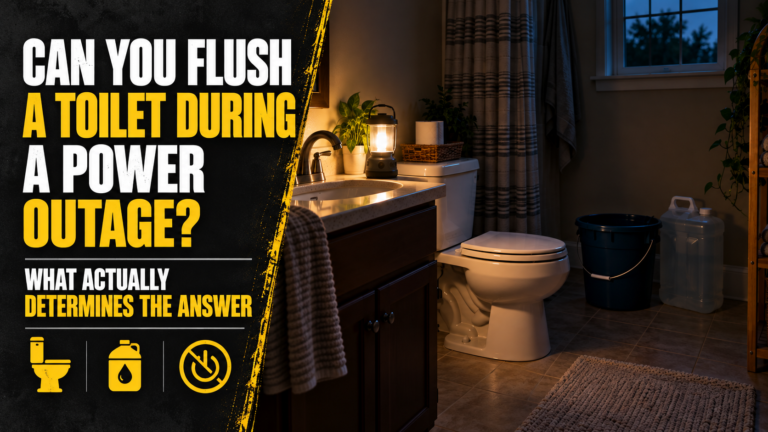
If water service fails, toilets stop functioning. Waste management services may delay. Trash accumulates. The smell alone shifts morale. It makes everything feel worse than it is.
I keep heavy-duty garbage bags, disinfectant wipes, bleach, and a simple five-gallon bucket system with liners. It’s not glamorous. It’s practical and slightly uncomfortable to think about, which is probably why people avoid it.
A small amount of diluted bleach can sanitize surfaces and stored water when used properly. Knowledge of basic ratios matters. Not perfectly memorized. Just understood well enough to use.
Disease spreads faster in cramped environments. Maintaining hygiene protects morale and health simultaneously. And those two are connected more than most people realize, even if they don’t articulate it that way.
Clean spaces reduce stress. I’ve seen that firsthand. It’s not dramatic. It’s just true.
The Mental Component Is the Deciding Factor
Thirty days without modern infrastructure is uncomfortable, not impossible. That distinction matters more than most gear lists.
The dividing line is mindset.
People who frame disruptions as temporary challenges adapt faster than those who interpret them as personal crises. The internal narrative shapes behavior more than the external event sometimes, even when the event is objectively stressful.
I once watched two families in the same building respond to a supply shortage. One spiraled—constant news consumption, anger, frantic purchasing. The other organized—inventory counted, meals planned, neighbors contacted.
Same situation. Different psychology.
Preparedness gives you the ability to choose the second response. It gives you space to think before reacting.
When you know you have water, food, light, and a plan, you conserve energy. You think more clearly. You act proportionally, or at least more proportionally than you would otherwise.
That steadiness spreads to children, spouses, roommates. Even pets pick up on it, strangely enough.
Calm is contagious too.
Building the Plan in Layers
I don’t build everything at once. That overwhelms people. It turns preparedness into a project instead of something woven into daily life.
I start with water. Then shelf-stable food. Then light and power. Then sanitation. Then security.
One category per week.
Within a month, a 30-day plan exists. Not perfect. Functional. And functional preparedness beats theoretical perfection most of the time.
A Final Thought on Urban Fragility
Cities are remarkable systems. They compress efficiency into tight spaces. That efficiency is also dependency. The same systems that make life convenient make it fragile in quiet ways.
Preparedness isn’t rejection of modern life. It’s respect for its complexity.
I don’t prepare because I expect collapse. I prepare because I understand that systems strain under pressure—storms, grid failures, labor disputes, supply chain bottlenecks. Sometimes smaller things that don’t make headlines.
Thirty days of self-reliance inside a city isn’t extreme. It’s margin.
Margin creates freedom. Freedom creates calm.
And calm, in any emergency, is a kind of quiet power.