Hypothermia warning signs include confusion, fumbling hands, slurred speech, exhaustion, and drowsiness in a cold person. Suspected hypothermia needs prompt medical help.
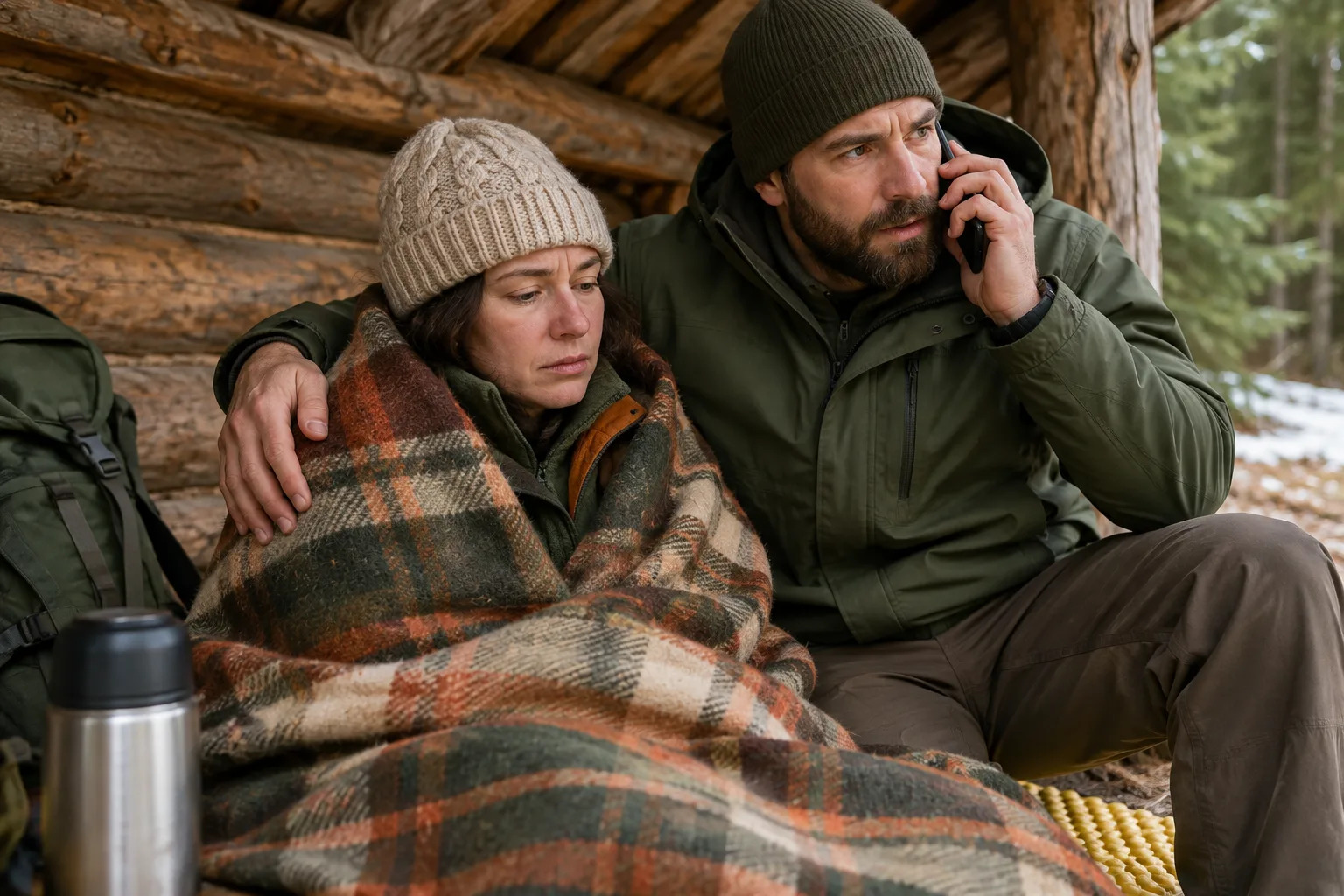
Hypothermia is more than being miserable in the cold. It is a medical emergency: the body is losing heat faster than it can replace it. What makes it especially dangerous is that cold can damage judgment, coordination, and alertness at the same time a person needs those abilities to recognize the problem and get out of it.
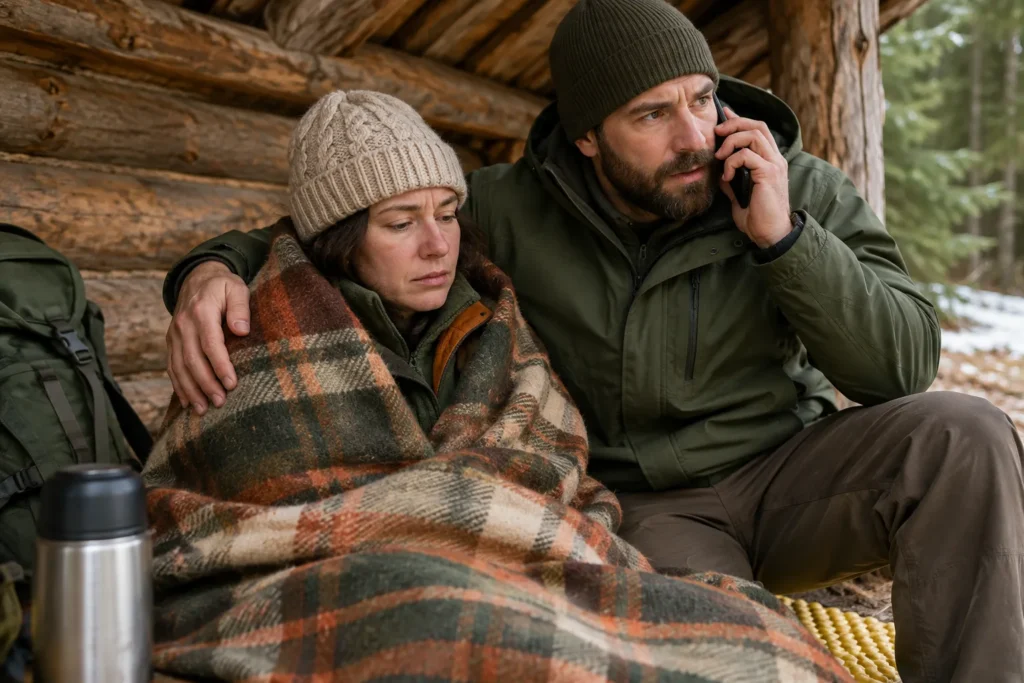
Do not wait for collapse. If a cold person is shivering and also becoming confused, clumsy, unusually exhausted, forgetful, drowsy, or hard to understand, act. Get them out of the cold, call for medical help, remove wet clothing, insulate them, and begin gentle core warming while help is coming.
Hypothermia does not require subzero weather. The CDC notes that it can occur even above 40°F when rain, sweat, or cold-water immersion chills a person. In the field, temperature is only part of the picture. Wetness, wind, fatigue, exposure time, and a person’s condition can turn an ordinary-looking cold day into an emergency.
Hypothermia Warning Signs: What to Watch For
The familiar picture is violent shivering in deep snow. Real trouble can be less dramatic. Shivering matters, but in the field I would pay just as much attention to a change in how the person is functioning.
Watch for:
- shivering
- unusual exhaustion or weakness
- confusion or poor judgment
- fumbling hands or loss of coordination
- memory loss
- slurred or slowed speech
- drowsiness
- stumbling or difficulty walking normally
For babies, warning signs can look different. Bright red, cold skin and very low energy are reasons to take cold exposure seriously and seek medical attention.
As hypothermia becomes more severe, shivering may decrease or stop. That is not necessarily improvement. A colder person may become increasingly confused, slow to respond, rigid, or unconscious. Pulse and breathing can become very slow.
A thermometer can help if one is available, but do not let the lack of one delay action. A core temperature below 95°F is an emergency. Obvious hypothermia symptoms also deserve prompt medical attention even when you cannot measure temperature accurately.
A simple field check is conversation plus coordination. Ask a question the person should easily know, then watch them do an ordinary task—open a zipper, fasten a buckle, handle a small object. If a cold person suddenly cannot think clearly or make their hands cooperate, that matters. This is not a test they have to fail before you help them. It is a way to notice deterioration before the situation becomes obvious.
Why Wet and Windy Conditions Change the Risk
The thermometer does not tell the whole story. Someone moving in dry 30°F weather with suitable layers may be doing far better than someone exhausted and soaked in 45°F rain. Wet clothing and moving air strip heat away, and sweat can soak insulation from the inside.
That matters during hiking, hunting, shoveling, vehicle trouble, outdoor work, or a power outage. Someone can work hard, soak inner layers with perspiration, then cool rapidly when activity stops.
The practical rule is to manage moisture before you feel dangerously cold. Vent layers during hard work. Replace wet layers when you can. Protect insulation from rain and snow. Carry a dry layer in a waterproof bag when prolonged cold exposure is plausible.
Cold-water immersion deserves even more respect because heat loss can progress quickly. Getting out of the water ends the immersion, but it does not end the emergency. The person may still be wet, exhausted, and dangerously cold.
What to Do First
If you suspect hypothermia, keep the sequence simple: stop the heat loss, get medical help, get wet clothing off, add dry insulation, then warm the core gently. Do not lose ten minutes debating exactly how cold the person is while they keep getting colder.
First, move the person to a warm, dry, wind-protected place if you can do so safely. A heated building is ideal, but a vehicle, tent, windbreak, or other protected space can be a major improvement over continued exposure.
Seek emergency medical help promptly when hypothermia is suspected, especially if the person is confused, has slurred speech, is losing coordination, is very drowsy, is unconscious, or has a measured temperature below 95°F.
Remove wet clothing carefully and replace it with dry clothing, blankets, or other insulation. Cover the person, including the head and neck, while keeping the airway clear.
Warm the center of the body first—the chest, neck, head, and groin. The CDC recommends gentle core warming and notes that skin-to-skin contact beneath loose, dry layers can be used when other warming methods are unavailable.
If the person is fully awake and able to swallow normally, a warm nonalcoholic drink may help. Do not give a drink to someone who is unconscious or cannot swallow safely. Do not give alcohol.
Handle a severely cold person gently and keep watching their breathing and responsiveness while help is coming.
What Not to Do
Cold makes aggressive warming feel logical. More heat, faster, seems like the answer. With a severely cold person, that instinct can lead to bad choices.
Do not put a severely hypothermic person into a hot bath or press very hot objects against cold or numb skin. Avoid uncontrolled high-temperature heat from a stove, fireplace, radiator, heat lamp, or similar source that can burn the person. Controlled warming is the goal, not maximum heat.
Do not concentrate on aggressively heating the hands and feet while the core remains cold. Warm the center of the body first.
Do not give alcohol. The feeling of warmth it can create is not safe treatment for hypothermia.
Do not make an exhausted, confused person keep walking merely because movement can generate heat. Once thinking and coordination are deteriorating, the situation has moved beyond ordinary discomfort.
And do not mistake the end of shivering for recovery. In a person who remains cold and mentally impaired, stopped shivering can accompany worsening hypothermia.
The Signal People Often Miss: Performance Changes
One of the best warning signals may never be the words “I am freezing.” It may be a person who simply stops acting like themselves.
A hiking partner who was talking normally starts answering slowly. Someone who packed equipment efficiently suddenly cannot work a zipper. A person who was walking steadily begins stumbling. A family member becomes unusually quiet, forgetful, or sleepy.
That is why performance changes deserve attention. Cold can interfere with the very abilities needed to solve the problem—judgment, coordination, communication, and decision-making. Do not depend on the cold person to diagnose themselves. By the time their thinking is slipping, their opinion that they are “fine” is not enough.
Use the group as a sensor. In cold conditions, watch one another and ask three questions:
- Are they getting colder or wetter?
- Is their thinking, speech, or coordination getting worse?
- Can we stop the heat loss right now?
If the first two answers are yes, treat the third question as urgent.
A Five-Minute Household Drill
You can practice the response without putting anyone in danger.
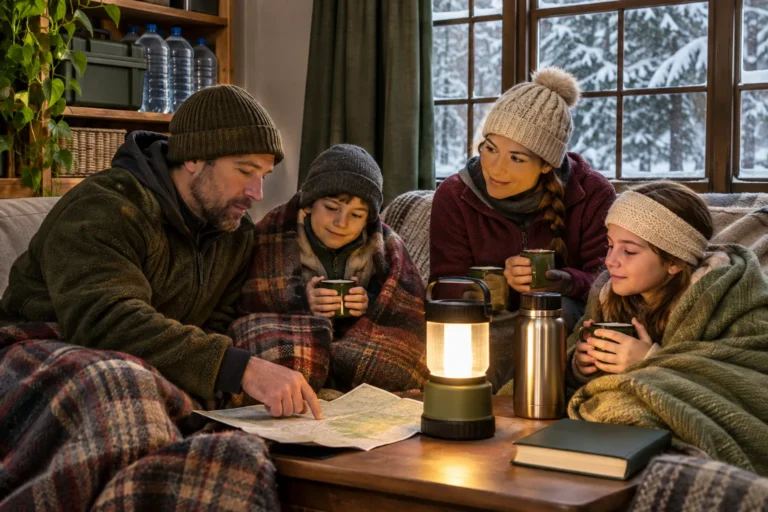
Picture this: the power is out, the house is getting colder, and one person has been outside dealing with a vehicle problem. They come inside wet, shivering hard, and fumbling with their gloves.
Give the household five minutes to identify who calls for help, where the dry clothes and blankets are, how wet clothing will be removed, where the person will be warmed, and which heat sources should not be used.
Then check whether the plan exists in the real world. Do you actually have dry blankets? A change of clothes? A thermometer? A charged phone or backup communication method? A safe place to warm someone during an outage?
This drill is worth five minutes because cold emergencies are partly sequence problems. A household can own blankets, dry clothes, and a working phone and still waste time if nobody knows what happens first.
When the Situation Is Severe
Loss of consciousness, very slow breathing, inability to respond normally, or a pulse that seems absent can occur in severe hypothermia. Get emergency help immediately and handle the person gently.
If the person is unresponsive and is not breathing normally or is only gasping, call 911 or your local emergency number and begin CPR. Use an AED if one is available, following its prompts. Continue warming efforts while professional help is on the way. Severe hypothermia can make vital signs difficult to detect, so do not delay lifesaving care while trying to prove that a pulse is absent.
Do not decide that a profoundly cold person is beyond help simply because they look lifeless. The CDC specifically notes that some severely hypothermic people who appear dead can be successfully resuscitated.
Prevention Is Mostly Heat-Loss Management
You do not need exotic gear to prevent most cold-exposure problems. You need to control a few predictable ways people lose heat and recognize when the plan is starting to fail.
Stay dry. Dress in layers you can adjust before you sweat heavily. Protect yourself from wind and precipitation. Carry spare dry insulation when exposure could become prolonged. Eat and hydrate appropriately. Pay closer attention to children, older adults, exhausted people, and anyone whose health or medications may make cold exposure harder to tolerate.
Most important, decide on your exit before you need it. Know when you will turn around, seek shelter, stop working, or change wet clothing. If you wait until someone cannot work a zipper or think clearly, you waited too long.
Key Takeaways
- Hypothermia is a medical emergency, not simply severe discomfort.
- Shivering, confusion, fumbling hands, slurred speech, memory problems, exhaustion, and drowsiness are major adult warning signs.
- In babies, bright red, cold skin and very low energy are warning signs.
- Hypothermia can occur above 40°F when rain, sweat, or cold water accelerates heat loss.
- Get the person sheltered, remove wet clothing, insulate them, and warm the core gently while seeking medical help.
- A measured body temperature below 95°F requires immediate medical attention.
- Do not use alcohol or uncontrolled intense heat, and do not assume stopped shivering means recovery.
- Watch for changes in thinking and coordination; they can appear before the person recognizes how much trouble they are in.
Step-by-Step Actions
- Recognize the warning signs: shivering plus changes in thinking, speech, coordination, energy, or alertness.
- Seek emergency medical help promptly when hypothermia is suspected, particularly when mental status, speech, coordination, or consciousness is affected or temperature is below 95°F.
- Move the person to a warm, dry, wind-protected location as safely as possible.
- Remove wet clothing and replace it with dry layers, blankets, or other insulation.
- Warm the chest, neck, head, and groin gently rather than applying uncontrolled intense heat.
- Give a warm nonalcoholic drink only if the person is fully conscious and swallowing normally.
- Handle a severely cold person gently and monitor breathing and responsiveness while help is coming.
- If the person is unresponsive and not breathing normally or is only gasping, call 911 or your local emergency number and begin CPR; use an AED if available and follow its prompts.
- After the incident, replace wet or used supplies and correct whatever allowed the cold exposure to progress.
Checklist
- [ ] Dry insulating layers available
- [ ] Waterproof outer layer available
- [ ] Spare dry clothing protected from moisture
- [ ] Blankets or sleeping bags accessible
- [ ] Thermometer available
- [ ] Phone and backup power available
- [ ] Household knows the major hypothermia warning signs
- [ ] Household knows that babies may show bright red, cold skin and very low energy
- [ ] Household knows to seek medical help early
- [ ] Safe warming location identified
- [ ] Everyone knows alcohol and uncontrolled intense heat are not treatment
- [ ] Cold-weather plans include a clear turn-around or shelter threshold
Put the Plan Into Practice
Keep dry insulation in your vehicle emergency kit and use the heating-without-electricity guide to plan a safe destination. For symptoms and warming guidance, consult CDC hypothermia guidance; obtain hands-on first-aid training before relying on a written guide.