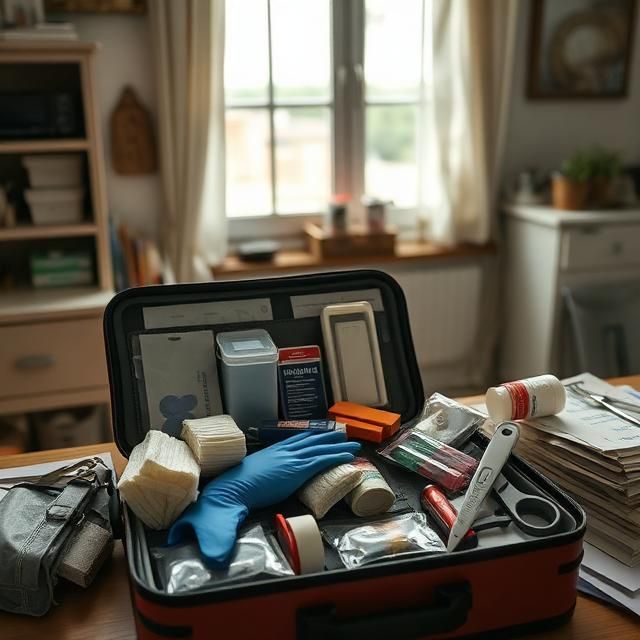
Most first aid kits look complete right up until they are needed
People buy first aid kits the same way they buy a lot of preparedness gear. They want the category handled. They want a box they can point to and say, yes, we have that covered. And I get it. There is a certain relief in having something on the shelf instead of nothing.
The problem is that a lot of store-bought kits are built to look complete, not to solve the injuries and interruptions people are most likely to face. They are heavy on tiny bandages, light on the supplies that matter when bleeding is more than minor, and often packed with cheap tools nobody trusts after the first use. A kit can have fifty or a hundred pieces and still leave you underprepared for the things that actually turn a normal day into a medical problem.
That is why building your own first aid kit is usually the better move. It lets you think in terms of problems instead of packaging. It forces you to ask what injuries are realistic, what delays in help are possible, what skills you actually have, and what supplies you would want in your hands when stress makes your decisions slower and uglier.
Build for likely problems before dramatic ones
Preparedness gets weird when people skip over the common stuff because the dramatic stuff feels more serious. It is the same mistake people make with gear in general. They imagine edge cases first and daily friction second.
A useful first aid kit should absolutely help with bigger problems, but it should start with the ordinary injuries that happen in homes, vehicles, workplaces, travel, and outdoor routines. Cuts. Burns. Blisters. Minor sprains. Nosebleeds. Splinters. Headaches. Upset stomach. Minor allergic reactions. Fever. Dehydration. Those are the things that show up constantly, and a kit that handles them well earns its place fast.
From there, you build upward. If you want a more complete preparedness setup, you add better bleeding control, more serious wound care, medications that fit your household, and supplies that bridge time until professional help arrives. That logic lines up with the same plain priorities behind bleeding control when minutes matter more than comfort. You handle what becomes dangerous fastest, and you make sure the kit supports action instead of just looking organized.
Think in layers, not in one giant box
One of the easiest ways to build a bad first aid kit is to treat every situation like it should be served by the same container. People end up with one overstuffed box in a closet and imagine that means they are covered everywhere.
Usually a better system has layers.
You might keep:
- a small grab-and-go pouch for the car or daily bag
- a household kit for the most common injuries at home
- a more complete preparedness or trauma layer for bigger problems and delayed help
That matters because location changes outcome. The supplies in your hallway closet do not help much if the injury happens in the car, on a walk, at a job site, or in a storm shelter. Likewise, a tiny zipper pouch is useful, but it should not be mistaken for the entire household medical plan.
The best kits are not always the biggest. They are the ones placed where they can actually be reached when the situation is moving fast.
The core categories that matter
When I build a kit, I like to think in categories instead of random individual items. Categories are easier to evaluate, easier to restock, and harder to fool yourself about.
### Bleeding and wound control
This is where cheap kits usually expose themselves. They give you a pile of light adhesive bandages and maybe one thin gauze pad, as if every injury is a paper cut with good lighting and no stress.
A stronger kit includes:
- adhesive bandages in a few useful sizes
- sterile gauze pads
- rolled gauze
- medical tape that actually sticks
- compression bandage or pressure dressing
- antiseptic wipes
- antibiotic ointment if your household uses it
- nonstick dressings for burns or raw wounds
- gloves
If you want the kit to bridge a more serious event, add a dedicated bleeding control component. That can include a tourniquet from a reputable maker and training to use it, along with better packing material and pressure dressings. If that level is in the kit, treat it seriously. Gear without practice becomes false reassurance.
### Cleaning and basic wound care
A lot of minor injuries become bigger problems because people cannot clean them well, cannot cover them properly, or let them keep reopening.
Tweezers, irrigation supplies, gauze, dressings, tape, and a small set of trauma shears can solve an amazing number of annoying real-life problems. This is one reason I like building kits from the ground up. You can choose tools that work instead of accepting brittle plastic versions nobody wants to rely on.
### Pain, fever, and everyday illness
People sometimes forget that first aid is not only about blood. A useful kit also helps stabilize the smaller things that derail a day or make travel harder.
Depending on your household and medical guidance, that can mean:
- pain relievers
- fever reducers
- antihistamines
- anti-diarrheal medication
- electrolyte packets
- antacids
- motion sickness medication
- a thermometer
This section should reflect the people you are actually supporting. A household with children, older adults, or chronic medical needs may need a very different medication layer than a solo commuter kit.
### Burns, strains, and environmental issues
Burn gel or burn dressings, instant cold packs, elastic wraps, and blister care earn their keep more often than people expect. Outdoor kits may also need insect sting care, sun exposure support, and extra hydration supplies. Vehicle kits may lean harder into cold exposure, cuts from glass or metal, and the possibility that help is delayed.
The point is not to own everything. The point is to think honestly about where the kit lives and what usually goes wrong there.
Skill matters more than brand names
This is the part people do not love hearing.
A mediocre person with a beautiful kit is still mediocre at first aid.
The best upgrade to any kit is not another gadget. It is knowing how and when to use what is already inside. If someone in the house does not know how to apply pressure correctly, use a compression wrap, monitor breathing, or recognize when the situation is moving beyond home care, the supplies only get you so far.
That is why I would rather see a well-stocked moderate kit plus some real practice than an expensive tacticool pouch full of impressive-looking gear nobody has opened. The same logic applies to CPR basics before help arrives. Skills and equipment work together. One without the other creates gaps that show up exactly when people can least afford them.
Keep the kit organized for stressed hands
A first aid kit should be usable by somebody who is rattled, tired, maybe bleeding a little, maybe helping someone else, and definitely not thinking at their best.
That means organization matters.
Use small pouches, labels, or internal sections. Group wound care together. Group medications together. Keep gloves where they are easy to grab. Do not bury the most important supplies under a pile of novelty extras and duplicate tiny bandages. If a second person opened the kit cold, could they find what matters in ten seconds?
That sounds simple, but it is not how many kits are packed.
A good kit reduces searching. It reduces hesitation. It reduces the temptation to dump everything on the floor just to find tape or gauze.
Maintenance is part of the kit
The quiet failure mode in medical kits is neglect.
Batteries die. Medications expire. Tape dries out. Gloves tear. People borrow ibuprofen or bandages and never replace them. A kit that looked complete six months ago may be half-empty by the time somebody needs it.
So build maintenance into the system.
Check the kit on a schedule. Replace anything used. Rotate medications responsibly. Inspect packaging. Make sure scissors are still there and the thermometer still works. If the kit lives in a hot vehicle, assume wear is happening faster. A kit is not a one-time purchase. It is a supply system.
That mindset overlaps with the same steady habit that makes a basic survival kit useful instead of theatrical. Readiness is rarely about owning a category once. It is about keeping that category functional.
Match the kit to the place
This is where a lot of preparedness advice gets too generic to be helpful.
A home kit should usually be broader and better stocked because space is less constrained. A vehicle kit may need to support delay, travel injury, weather exposure, and awkward locations. A range bag, hiking pack, jobsite bag, or family travel kit should be tailored to its actual environment instead of copied from the internet unchanged.
If somebody in the household has specific prescriptions, allergies, or medical devices, the kit plan should reflect that reality directly. Not every item belongs in every portable pouch, but the system should account for those needs somewhere.
There is no prize for making every kit identical. The goal is functional coverage, not symmetry.
What most people should avoid
There are a few common mistakes that make kits worse.
- buying the largest cheap kit instead of selecting dependable supplies
- carrying advanced gear without training or context
- forgetting gloves, tape, and irrigation because they are less dramatic than trauma tools
- stuffing medications in without checking expiration and household needs
- assuming one kit in one location covers every routine
- never opening the kit until an emergency forces the first look
Preparedness has a way of rewarding boring discipline over dramatic purchases. First aid kits are no exception.
Build confidence, not clutter
If somebody asked me what a good first aid kit should really do, I would say this: it should make you more capable in the first ten minutes of a problem.
It should help you stop small problems from growing. It should help you manage pain, bleeding, cleanup, and common illness. It should buy time. It should create order when a situation tries to become messy. And it should be stocked with supplies you understand well enough to use without guessing.
That is the difference between a real first aid kit and a box of medical-looking objects.
Build the kit around likely injuries, the places you actually spend time, and the people you are actually responsible for. Keep the supplies visible, organized, and maintained. Add more serious tools only when the skill and judgment are there to support them.
That is not the flashiest approach, but it is the one that keeps a kit honest. And honesty is what you want when somebody is hurt and the room gets quiet in that very specific way that tells you it is your turn to act.
Key Takeaways
- First aid kits work better when they are built around likely injuries instead of packaging claims.
- Layered kits for home, vehicle, and carry use usually outperform one oversized box in a closet.
- Bleeding control, wound cleaning, common medications, and practical tools matter more than filler items.
- Organization and maintenance are part of readiness, not optional extras.
- Training and familiarity turn supplies into actual capability.
Step-by-Step Preparedness Actions
- List the most likely injuries and medical disruptions for your home, vehicle, work, and travel routines.
- Build or revise one core household kit first, then add smaller carry or vehicle layers where needed.
- Upgrade weak categories like gauze, tape, gloves, irrigation, and medications instead of buying more filler.
- Remove expired, broken, or confusing items and group the rest into clear sections.
- Practice using the supplies you already own so the kit supports action under stress.
- Set a recurring check date to restock, rotate, and verify every kit stays usable.
Quick Preparedness Checklist
- Adhesive bandages in useful sizes
- Sterile gauze pads and rolled gauze
- Medical tape
- Gloves
- Trauma shears
- Tweezers
- Antiseptic wipes
- Nonstick dressings
- Common household medications
- Thermometer
- Burn and blister care
- Compression or pressure bandage
Skills Practiced in This Module
- kit planning
- medical organization
- wound care readiness
- bleeding-control preparation
- medication rotation
- household risk assessment