Emergency Food Basics
People get distracted by exotic preparedness gear and dramatic scenarios, and meanwhile they still have no decent food plan for the first few hard days.
That happens all the time. Somebody will spend serious money on a fancy flashlight, a knife they barely know how to use, maybe a radio they never test, and then the pantry is a weird mix of half-used condiments, snack food, and whatever was on sale three months ago. That is not food preparedness. That is just ordinary life with a little anxiety sprinkled on top.
Food basics are less glamorous than gear. They matter more.
When normal systems start acting strange, when the power goes out longer than expected, when roads close, when people cannot get to work, when store shelves look thin for reasons no one can explain clearly, food changes from background convenience into something much more personal. It affects mood first. Then energy. Then patience. Then judgment. A person who has not eaten properly gets sloppy. A family that feels food pressure gets tense fast, and small tensions become bigger ones. That part never gets enough attention.
A lot of preparedness advice also makes the whole thing harder than it needs to be. You do not need to begin with a bunker mentality. You do not need a year of freeze-dried food on day one. You do not need to become somebody else. The sensible starting point is much simpler: build a food system that covers interruption, buys time, and reduces stress.
That’s really what food preparedness is in the early stages. Time. Margin. Breathing room.
The first thing I look at is whether the food is actually edible under the conditions people are likely to face. Not ideal conditions. Real ones. If the grid goes down for a while, can it be eaten without much cooking? If water is limited, does it create extra cleanup or demand too much prep? If the household is tired, stressed, and irritated, can someone still make a meal without turning the kitchen into another problem?
That question eliminates a lot of nonsense pretty quickly.
Food preparedness works best when it begins with things people already eat. That sounds obvious, but people ignore it constantly. They buy survival food they have never tasted, foods their kids hate, ingredients nobody reaches for under normal conditions, and then they call it preparedness. It is not. If the household rejects the food when everything is fine, they will not suddenly love it under pressure. Stress does not improve taste.
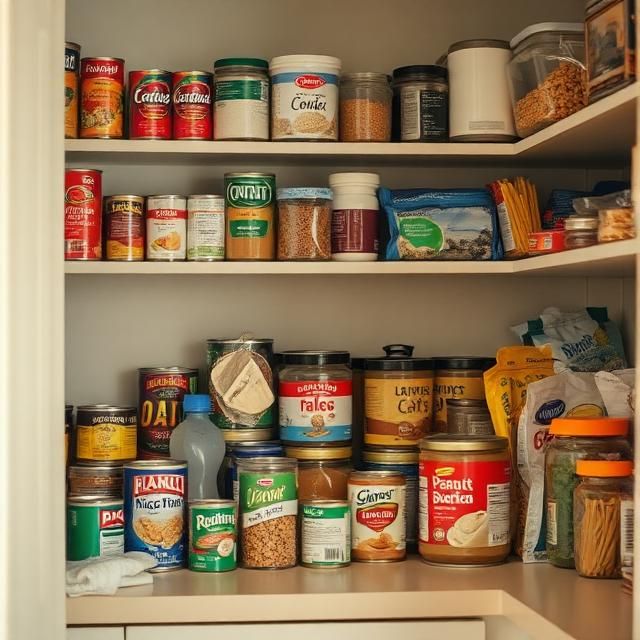
The better approach is ordinary food with a longer shelf life and a little planning behind it. Rice, oats, pasta, canned meats, canned beans, peanut butter, soups, shelf-stable milk, crackers, tuna, chili, canned vegetables, canned fruit, instant potatoes, simple cereals, broth, basic baking supplies if that is realistic for the household. None of that is glamorous. Good. Preparedness usually gets stronger when it gets less glamorous.
There is also a difference between calories and usable meals. People sometimes count cans or boxes and feel secure without really seeing what those items combine into. A shelf full of random food can still leave you with no decent breakfast, no easy lunch, no simple dinner, and a lot of frustration. Meals matter. Combinations matter. It helps to think in actual use patterns. What could this household eat for three days if the power were unstable? What could they eat for a week if stores were inaccessible? What meals can be repeated without everyone getting angry by day two?
That question tends to produce better planning than abstract calorie math on its own.
Now, calorie math still matters. It just should not be the only lens. Adults doing physical cleanup, hauling water, walking farther than usual, managing kids, dealing with heat or cold, or functioning with poor sleep may need more energy than they think. A pantry that looks full can drain quickly when people are actually eating from it under pressure instead of just glancing at it in normal life. That is why food volume should be more generous than people first assume. Not absurd. Just realistic.
There is another mistake people make, and it is a quiet one. They store almost no comfort food at all. Everything becomes utilitarian, efficient, dry, technically sensible. That sounds disciplined. Sometimes it is just shortsighted. A hard situation is not improved by making every meal emotionally dead. A few familiar foods, simple treats, drink mixes, coffee, tea, decent seasonings, maybe a little chocolate, that kind of thing matters more than preparedness purists like to admit. Morale is part of function. People who feel a little more normal tend to behave a little better.
I have seen versions of this in ordinary storms, not even dramatic disasters. A family with a modest, familiar food plan handles the first couple of rough days in a much steadier way than a family improvising every meal from scraps and strange backup food. It changes the tone of the whole house. That is not trivial.
Storage matters too, but people can overcomplicate that part. Cool, dry, dark, organized. That covers most of it for the average household. Rotation matters more than perfection. If food is bought, forgotten, pushed behind newer purchases, and discovered swollen or stale two years later, that is not a storage strategy. The simple fix is to build the pantry into normal life. Use older stock first. Replace what gets used. Label if you need to. Keep categories together. Make it visible enough that it stays part of the routine instead of becoming a forgotten emergency shrine in the back of a closet.
Water and food planning should also stay connected. People separate them too much. A shelf full of dry staples sounds strong until you realize they need water, fuel, time, and cleanup capacity that may not be available. Dry food has a place. It just should be balanced with food that can be opened and eaten quickly. That balance is one of the basics. Ready-to-eat food, low-effort food, cookable staples, and morale food. If you cover those four areas reasonably well, you are usually in much better shape than most people around you.
There is a broader lesson in this. Emergency food is not really about food alone. It is about reducing dependence on perfect timing. If your whole household food system assumes that stores stay open, roads stay clear, paychecks arrive normally, refrigeration never fails, and no one gets stuck at home longer than expected, then it is brittle. The point of preparedness is to remove some of that brittleness.
Maybe the cleanest way to start is to think in layers.
The first layer is a short interruption layer. One to three days. Easy food. Almost no cooking required. Water-friendly. Low stress. This is where canned meals, nut butters, crackers, protein snacks, shelf-stable drinks, fruit cups, and other immediate-use items shine.
The second layer is a one-to-two-week layer. This is where the pantry gets more serious. Rice, beans, pasta, oats, canned proteins, soups, sauces, instant foods, shelf-stable basics, seasoning, and enough repeatable meal combinations to prevent boredom and bad decisions.
The third layer is longer-term thinking. That part can come later. People love to start there because it feels serious. Usually they should not. A lot of households still do not have layer one handled well, and they are already fantasizing about six-month storage. That is backwards. Build the part most likely to save you first.
And then there is family preference, which people dismiss until it bites them. A household with young kids, elderly parents, digestive issues, food allergies, or very limited tolerance for sudden diet changes needs a more tailored plan. Some foods store beautifully and still make no sense for the people involved. The point is not to win a preparedness purity contest. The point is to feed the actual people who live there.
If someone wants the shortest useful version, it is probably this: store what you already eat, expand it with longer-lasting staples, build actual meal combinations, rotate consistently, and keep enough ready-to-eat food to cover the ugly first stretch when routines break. That solves more than people expect.
The thing is, emergency food basics are not exciting because they are supposed to be exciting. They are supposed to work. They are supposed to lower stress. They are supposed to help a household move through uncertainty without making every meal a fresh problem.
That is enough.
And honestly, once people feel that shift, once they know there is real food in the house, food they understand, food they can use, food that buys time, they usually start thinking better about the rest of preparedness too. Not because the pantry is magical. Just because one weak point became stronger, and the whole picture got a little steadier.
Key Takeaways
- Preparation matters more than last-minute improvisation.
- Small practical steps usually prevent larger survival problems.
- Redundancy and environmental awareness improve reliability.
- Simple repeatable methods beat dramatic but inconsistent ones.
- A useful skill includes safe setup, execution, and shutdown.
Step-by-Step Preparedness Actions
- Identify the key materials, tools, and environmental factors before you begin.
- Break the task into smaller stages and prepare each stage before moving to the next.
- Practice with your primary method and at least one backup method.
- Adjust your setup for weather, terrain, and realistic field conditions.
- Check results early and correct small problems before they grow.
- Finish by securing the site and restoring readiness for the next use.
Quick Preparedness Checklist
- Primary tool or method ready
- Backup tool or method packed
- Required small materials prepared
- Site checked for safety and suitability
- Weather or environmental factors considered
- Cleanup or shutdown plan ready
Skills Practiced in This Module
- preparation
- environmental awareness
- sequencing
- backup planning
- field judgment